Spritual
अंग्रेज़ी में पढ़ें आपका पठन
Spritual
हनुमान

रामायण

हनुमान

Hanuman

पवनपुत्र · बजरंगबली

अंजना और पवनदेव के पुत्र हनुमान बल, बुद्धि, विनय और राम-भक्ति के लिए पूजे जाते हैं। उनकी वाणी पहली बार सुनकर राम ने कहा था कि वेदों का ज्ञाता ही ऐसा बोल सकता है।

आगे पढ़ें

उन्होंने सागर लाँघा, सीता को खोजा, उनसे कहा कि सुग्रीव की सेना में मुझसे कमतर कोई वानर नहीं, और लंका जला दी; युद्ध में वे औषधियों का पूरा पर्वत उठा लाए, जिससे गिरे हुए वीर फिर उठ खड़े हुए। राम से उन्होंने बस एक वर माँगा: अचल भक्ति, और जब तक रामकथा कही जाए, तब तक जीवन; वर देकर राम ने कहा कि प्राण देकर भी वे हनुमान के उपकारों से उऋण नहीं हो सकते।

  • 7 कथाएँ
  • 68 दृश्य
  • 63 मिनट का पाठ

इस राह पर चलें

हनुमान की कथाएँ, वाल्मीकि रामायण के क्रम से।

हनुमान की कथाएँ

रामायणकिष्किंधा कांड

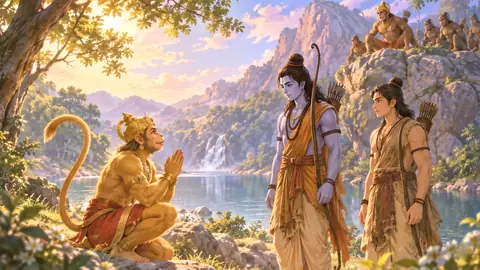
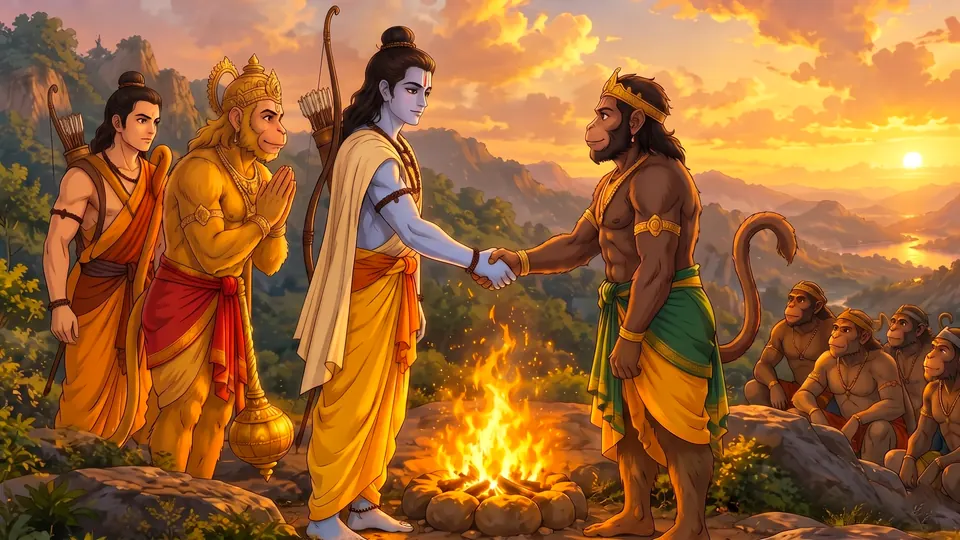
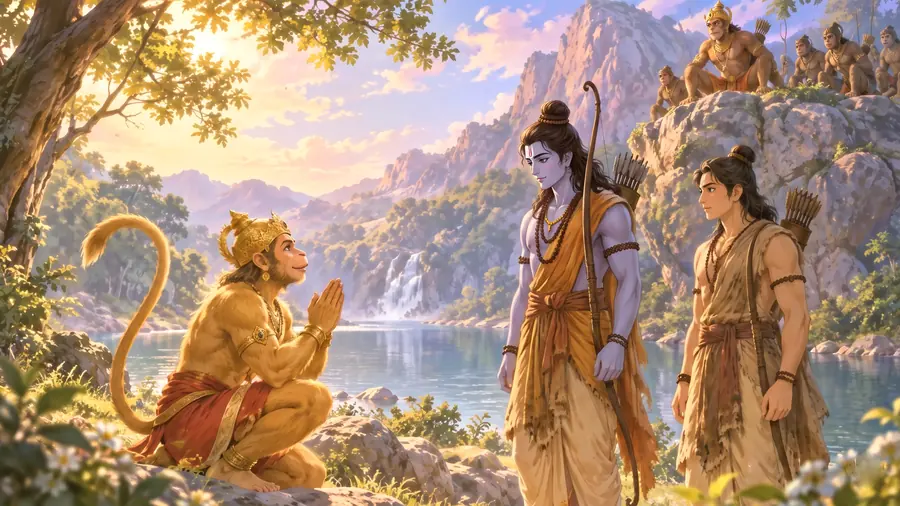
हनुमान-राम मिलन: यहीं से छलाँग शुरू हुई

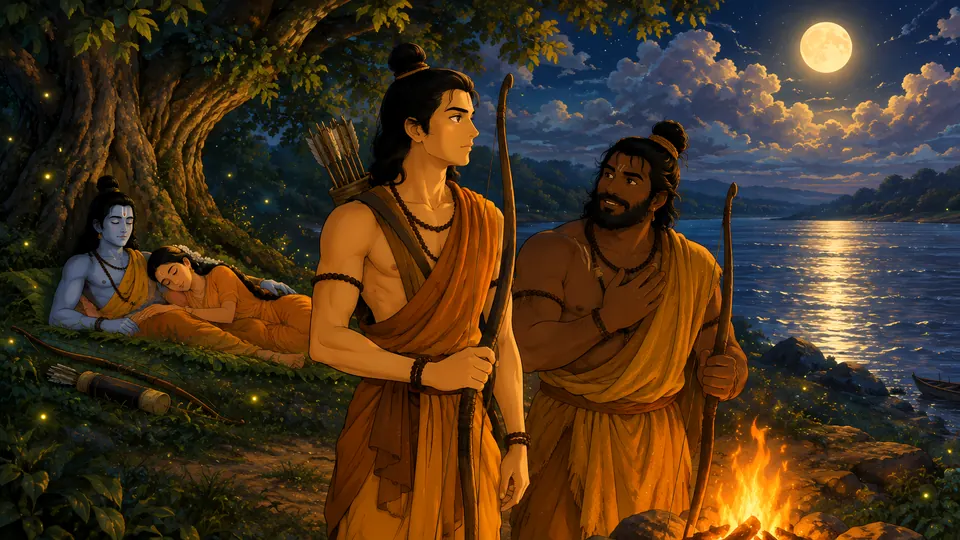
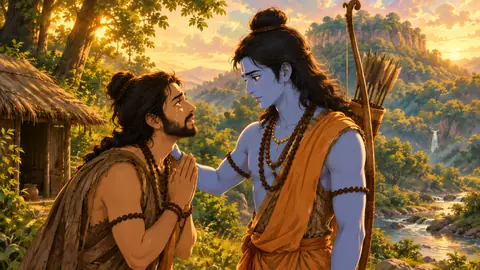
पंपा के तट पर वेश बदले हनुमान दो धनुर्धारी अजनबियों से मिलते हैं, अग्नि की साक्षी में मैत्री होती है, एक बाण वाली को गिराता है, और समुद्र के किनारे पवनपुत्र को अपनी शक्ति याद आती है।
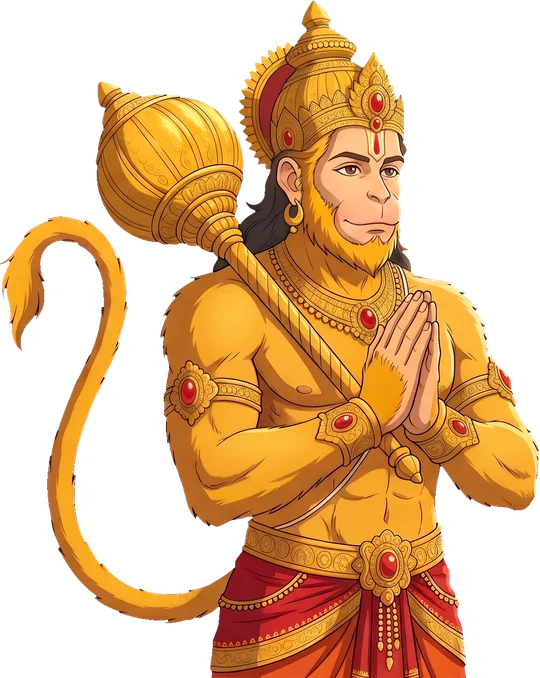
  • 7 मिनट
  • संवाद
  • विश्वास

रामायणकिष्किंधा कांड

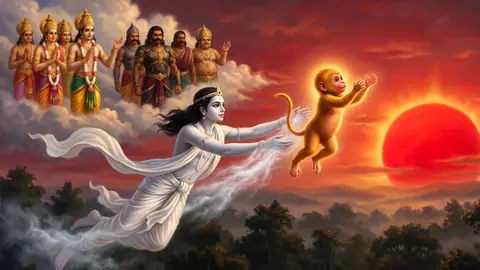
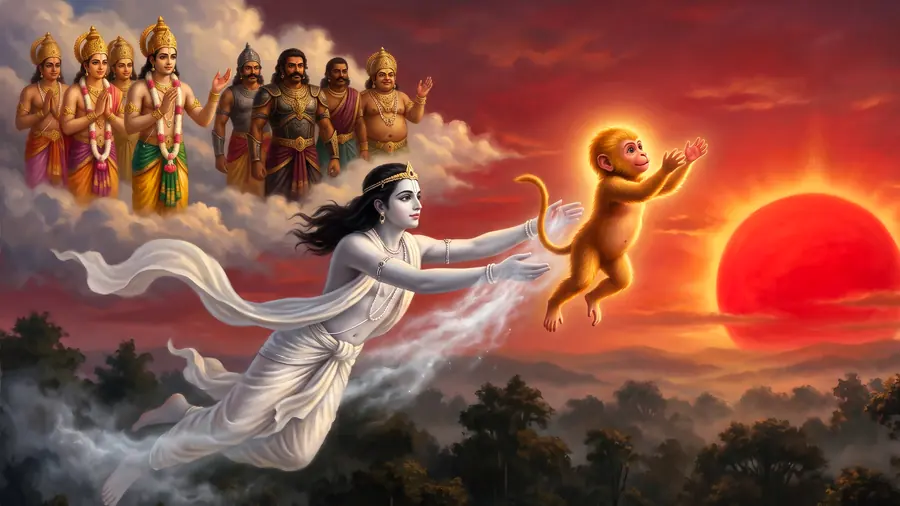
हनुमान और सूर्य: सूरज को पकड़ने उछले हनुमान

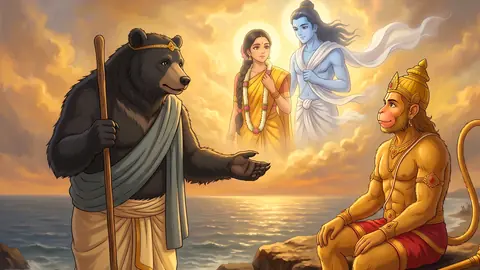
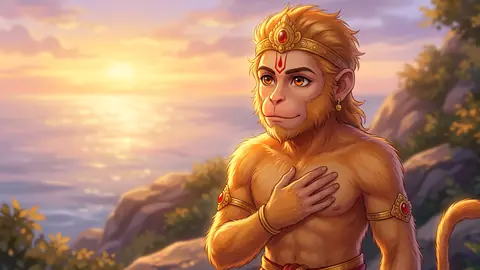
एक नवजात उगते सूरज को फल समझकर उसकी ओर उछल पड़ता है। बरसों बाद, हताश सागर-तट पर, बूढ़े जांबवान उसे याद दिलाते हैं कि वह कौन है।
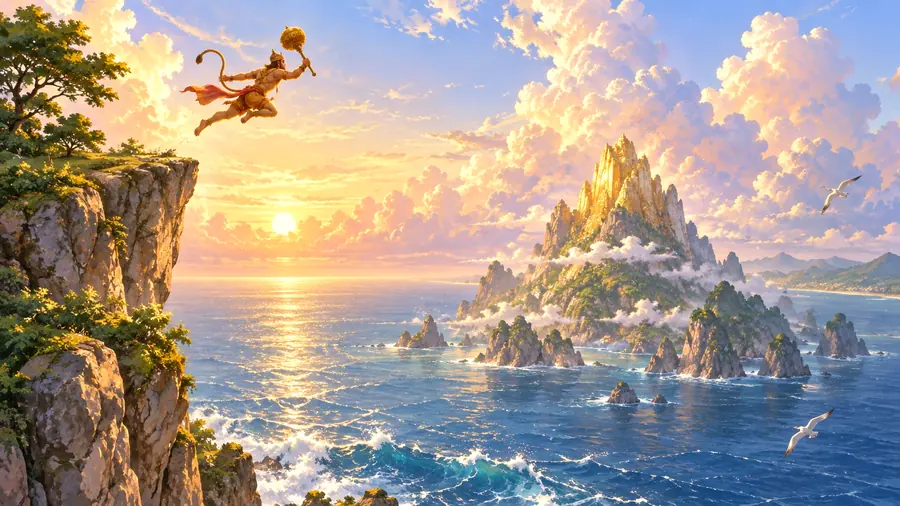
  • 8 मिनट
  • निर्भयता
  • आशा

रामायणसुंदर कांड

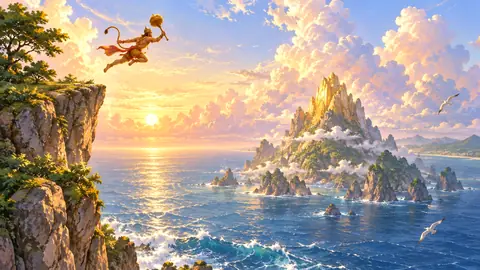
हनुमान का समुद्र लाँघना: सागर पार, एक मुद्रिका

हनुमान सौ योजन का समुद्र लाँघते हैं, सुरसा के मुँह से निकल आते हैं, लंका का द्वार जीतते हैं और अशोक वाटिका में सीता को पाते हैं, जो एक तिनके की ओट से रावण को ललकार रही हैं। फिर ऊपर की डाल से वे राम की कथा कहने लगते हैं।
  • 8 मिनट
  • साहस
  • दृढ़ता

रामायणसुंदर कांड

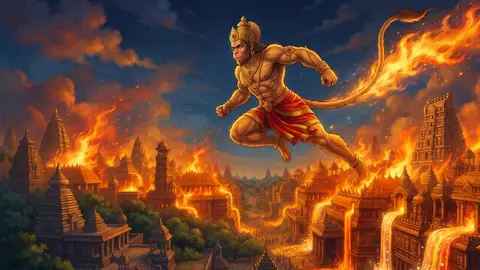
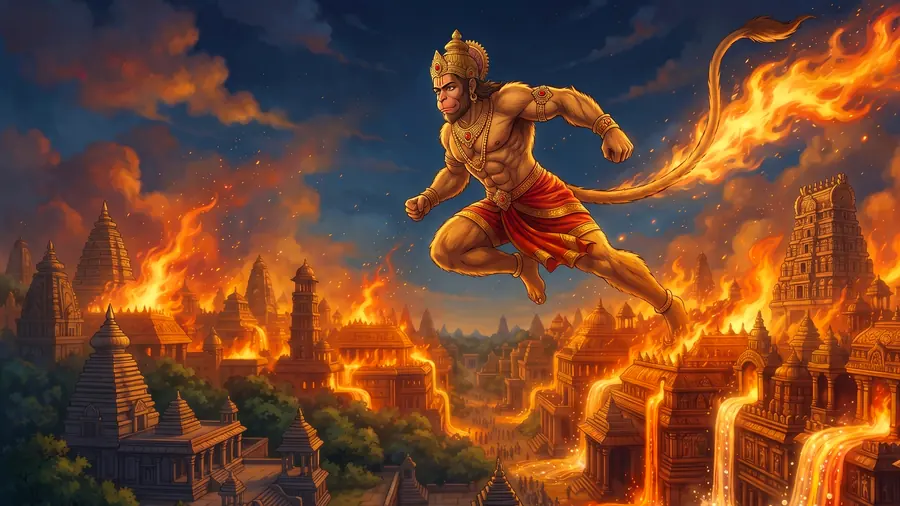
लंका दहन: जिस दिन लंका जली

एक वानर रावण की वाटिका उजाड़ता है, इंद्रजित के हाथों बँध जाता है, अपनी ही पूँछ से लंका जला देता है, और सीता की मणि राम तक ले आता है।
  • 9 मिनट
  • साहस
  • सेवा

रामायणयुद्ध कांड

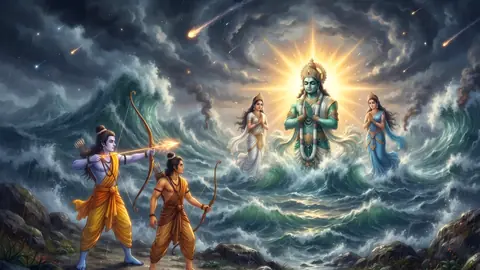
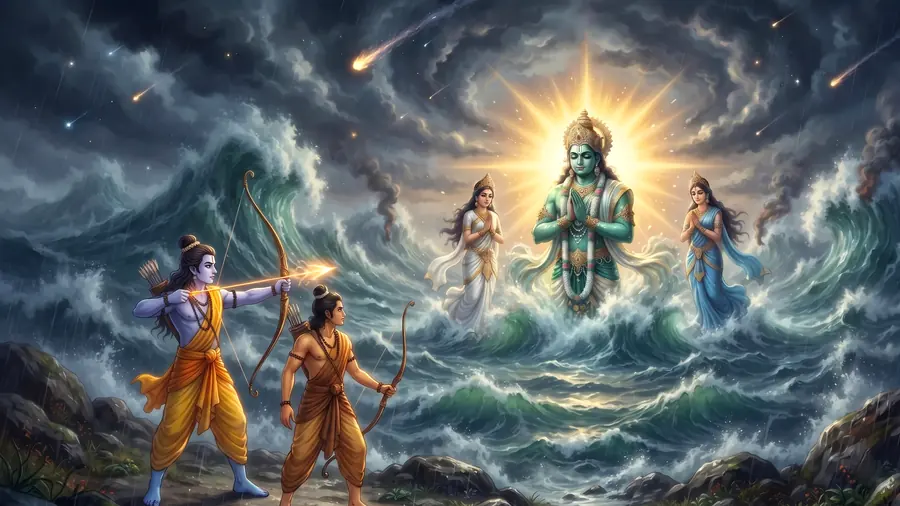
राम सेतु की कथा: सागर पर सेतु

लंका से निकाला गया एक भाई, कुश पर तीन रातें, सागर को हिला देने वाला बाण, और पाँच दिनों में बँधा सेतु।
  • 9 मिनट
  • करुणा
  • संकल्प

रामायणयुद्ध कांड

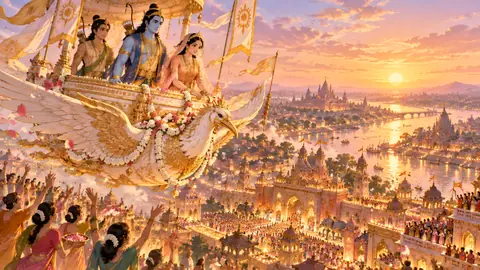
सीता की अग्नि परीक्षा: अग्नि से अयोध्या तक

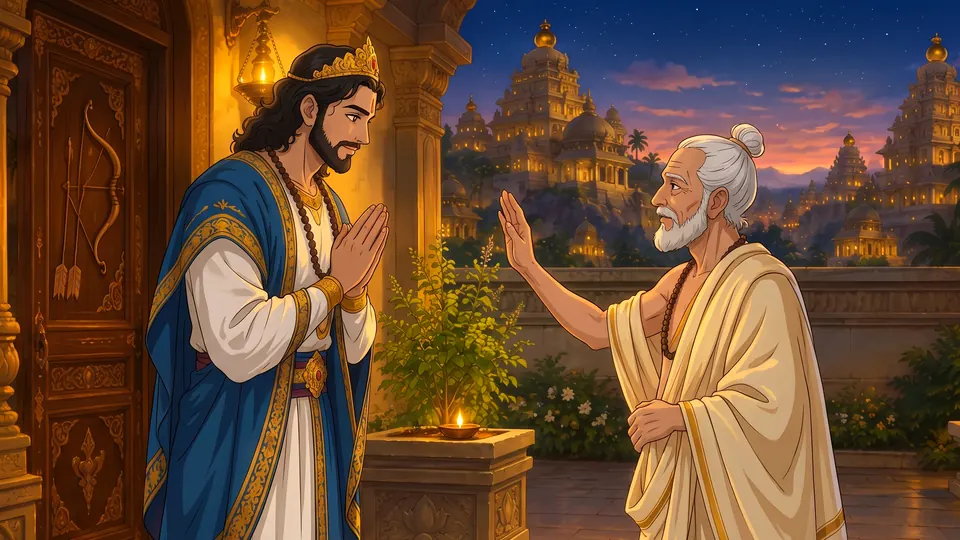
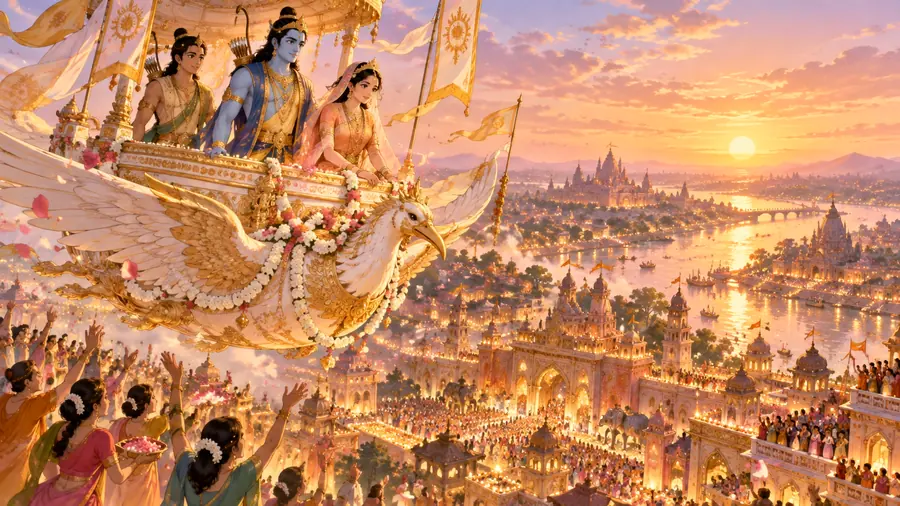
रावण मारा जा चुका है। सीता अशोक वाटिका से निकलती हैं, राम के कठोर वचनों से गुज़रकर अग्नि में उतरती हैं; फिर हंस-विमान उन्हें उत्तर की ओर ले उड़ता है, उस भाई के पास जिसने चौदह वर्ष सिंहासन पर पादुकाएँ रखकर प्रतीक्षा की।
  • 10 मिनट
  • उत्तरदायित्व
  • सेवा

रामायणउत्तर, अरण्य, सुंदर और युद्ध कांड

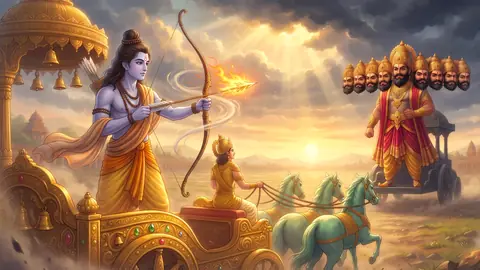
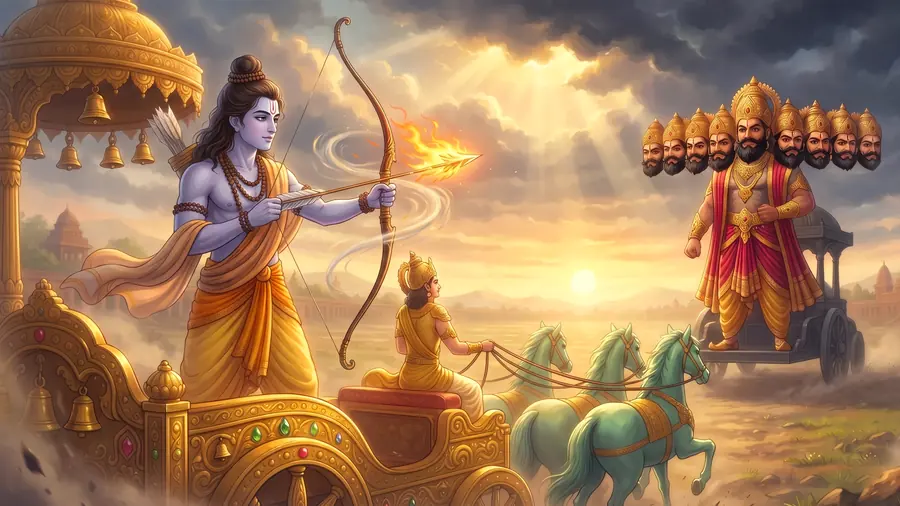
रावण की कहानी: लंकापति का पतन

अग्नि को अर्पित नौ शीश, उठाया हुआ पर्वत, शिव से मिला नाम, और एक राजा जिसने हरण की हुई सीता को लौटाने से इनकार कर दिया।

  • 12 मिनट
  • विवेक
  • निष्ठा

नाम

हनुमान। इन नामों से भी प्रसिद्ध: पवनपुत्र, बजरंगबली।

यह कहाँ से लिया गया है

हनुमान के इस पृष्ठ की हर बात जिन ग्रंथों से मिलाई गई, वे नीचे हैं। हर बात का पूरा नोट अंग्रेज़ी में है।
संदर्भ देखें (17)
  1. वाल्मीकि रामायण, किष्किंधाकांड, सर्ग 66, श्लोक 8–29
  2. वाल्मीकि रामायण, बालकांड, सर्ग 17, श्लोक 16
  3. वाल्मीकि रामायण, किष्किंधाकांड, सर्ग 3, श्लोक 28–33
  4. वाल्मीकि रामायण, सुंदरकांड, सर्ग 1, श्लोक 38–44 (the leap) और 84–135 (the flight और Mainaka)
  5. वाल्मीकि रामायण, सुंदरकांड, सर्ग 15, श्लोक 18–26
  6. वाल्मीकि रामायण, सुंदरकांड, सर्ग 38, श्लोक 69–71
  7. वाल्मीकि रामायण, सुंदरकांड, सर्ग 54, श्लोक 11–20
  8. वाल्मीकि रामायण, सुंदरकांड, सर्ग 65, श्लोक 8–27
  9. वाल्मीकि रामायण, युद्धकांड, सर्ग 1, श्लोक 1–14
  10. वाल्मीकि रामायण, उत्तरकांड, अध्याय XL, अनु. एम. एन. दत्त (कलकत्ता, 1894)
  11. Valmiki Ramayana, Uttara Kanda, Section L, tr. M. N. Dutt (Calcutta, 1894); Rama repeats it in Section CXXI
  12. Tradition, not the cited text: the popular name, from vajranga, “with limbs like the thunderbolt”; compare Bala Kanda 17.16.
  13. वाल्मीकि रामायण, सुंदरकांड, सर्ग 39, श्लोक 38–39 (mad-vishishtash cha tulyash cha santi tatra vanaukasah | mattah pratyavarah kashchin nasti sugriva-sannidhau)
  14. वाल्मीकि रामायण, सुंदरकांड, सर्ग 42, श्लोक 33–34 (dāso’haṃ kosalendrasya rāmasyākliṣṭakarmaṇaḥ)
  15. Valmiki Ramayana, Uttara Kanda, tr. M. N. Dutt (Calcutta, 1894), p. 1712: the same passage as Hanuman’s boon
  16. Built from the cited text, not a quotation: Rama to Agastya, heroism, strength, patience, intellect and prowess together in Hanuman (Uttara Kanda, Section XL, Dutt); his learning (Kishkindha Kanda 3.28–33); his humility (Sundara Kanda 39.38–39); his devotion and boon (Uttara Kanda, Dutt p. 1712). Worded as “revered for”.
  17. वाल्मीकि रामायण, युद्धकांड, सर्ग 74, श्लोक 26–34 और 69–74 (Sanskrit text)
हर बात का पूरा नोट (अंग्रेज़ी में)
  1. Born of Anjana, wife of Kesari, and the wind-god; leapt at the rising sun as a child; Indra’s thunderbolt broke his jaw (hanu), hence “Hanuman”; boons from Brahma and Indra Valmiki Ramayana, Kishkindha Kanda, Sarga 66, verses 8–29
  2. A true son of the Wind, with a body hard as the thunderbolt and the speed of Garuda Valmiki Ramayana, Bala Kanda, Sarga 17, verse 16
  3. Rama on his speech: no one who had not mastered the Rig, Yajur and Sama Vedas could speak so Valmiki Ramayana, Kishkindha Kanda, Sarga 3, verses 28–33
  4. Leaps from Mount Mahendra across the ocean Valmiki Ramayana, Sundara Kanda, Sarga 1, verses 38–44 (the leap) and 84–135 (the flight and Mainaka)
  5. Finds Sita in the Ashoka grove Valmiki Ramayana, Sundara Kanda, Sarga 15, verses 18–26
  6. Receives Sita’s crest-jewel Valmiki Ramayana, Sundara Kanda, Sarga 38, verses 69–71
  7. Sets fire to Lanka, sparing Vibhishana’s house Valmiki Ramayana, Sundara Kanda, Sarga 54, verses 11–20
  8. Tells Rama he has seen Sita and gives him the jewel Valmiki Ramayana, Sundara Kanda, Sarga 65, verses 8–27
  9. Rama: no one else on earth could have done this; he embraces him Valmiki Ramayana, Yuddha Kanda, Sarga 1, verses 1–14
  10. Rama to Agastya: heroism, strength, patience, wisdom, learning and prowess are all found together in Hanuman; Agastya retells his birth and childhood leap at the sun Valmiki Ramayana, Uttara Kanda, Section XL, tr. M. N. Dutt (Calcutta, 1894)
  11. Asks Rama for unshaken devotion and for life as long as Rama’s story is told on earth; Rama grants it Valmiki Ramayana, Uttara Kanda, Section L, tr. M. N. Dutt (Calcutta, 1894); Rama repeats it in Section CXXI
  12. “Bajrangbali” as his name Tradition, not the cited text: the popular name, from vajranga, “with limbs like the thunderbolt”; compare Bala Kanda 17.16.
  13. To Sita in the Ashoka grove: among the vanaras some are greater than I and some equal; none in Sugriva’s company is lesser than I; the great ones are not sent on errands, others are Valmiki Ramayana, Sundara Kanda, Sarga 39, verses 38–39 (mad-vishishtash cha tulyash cha santi tatra vanaukasah | mattah pratyavarah kashchin nasti sugriva-sannidhau)
  14. His cry in Lanka before the fight in the grove: Victory to Rama, to Lakshmana, to King Sugriva; I am Hanuman, son of the Wind, the servant of Rama, king of Kosala Valmiki Ramayana, Sundara Kanda, Sarga 42, verses 33–34 (dāso’haṃ kosalendrasya rāmasyākliṣṭakarmaṇaḥ)
  15. After granting the boon, Rama embraces him and speaks of his debt to him. Dutt renders it: “I cannot, even at the sacrifice of my life, release myself from the debts of one good service out of the many, thou hast done for me”. The Sanskrit verse as quoted elsewhere (ekaikasyopakarasya pranan dasyami te kape …) says rather that for each single service he would give his life, and for the rest remain in debt. The retelling is worded to hold under both readings: his own life could not repay all Hanuman had done. Valmiki Ramayana, Uttara Kanda, tr. M. N. Dutt (Calcutta, 1894), p. 1712: the same passage as Hanuman’s boon
  16. Strength, wisdom, humility and devotion to Rama as what he is revered for Built from the cited text, not a quotation: Rama to Agastya, heroism, strength, patience, intellect and prowess together in Hanuman (Uttara Kanda, Section XL, Dutt); his learning (Kishkindha Kanda 3.28–33); his humility (Sundara Kanda 39.38–39); his devotion and boon (Uttara Kanda, Dutt p. 1712). Worded as “revered for”.
  17. Jambavan sends him over the sea to the Himalaya for the four great herbs on the mountain of herbs; he brings the whole peak; at its scent Rama and Lakshmana are healed, and the fallen vanaras, even the slain, rise as if from sleep Valmiki Ramayana, Yuddha Kanda, Sarga 74, verses 26–34 and 69–74 (Sanskrit text)
इन स्रोतों के बारे में
  • Section L is printed “XLX” in the scanned Dutt edition.
  • Dutt’s section for this passage is L, printed “XLX”; the scan’s text reads the heading as “XLIX”. The Sanskrit first line was checked only in the Maha-subhashita-samgraha, no. 7699 (wisdomlib.org/sanskrit/quote/mss/subhashita-7699), not in a printed Uttara Kanda.

पढ़ने की सुविधा

अक्षर आकार
रंग

रात का दीपक जलने तक रंग का चुनाव रुका है।

गति

हल्का मोड: ठहरे हुए चित्र, बहुत धीमा सरकाव, गहराई का प्रभाव नहीं। पुराने फ़ोन और बैटरी पर हल्का।

रात का दीपक

गहरे रंग पर गर्म अंबर अक्षर। चित्र धीरे-धीरे बदलते हैं और स्थिर रहते हैं।

राम ने गुरु से अस्त्रों को वापस लेने का ज्ञान माँगा।

इस डिवाइस पर सहेजा गया।